 Login
Login



Obesity and Hypertension Fact Sheet
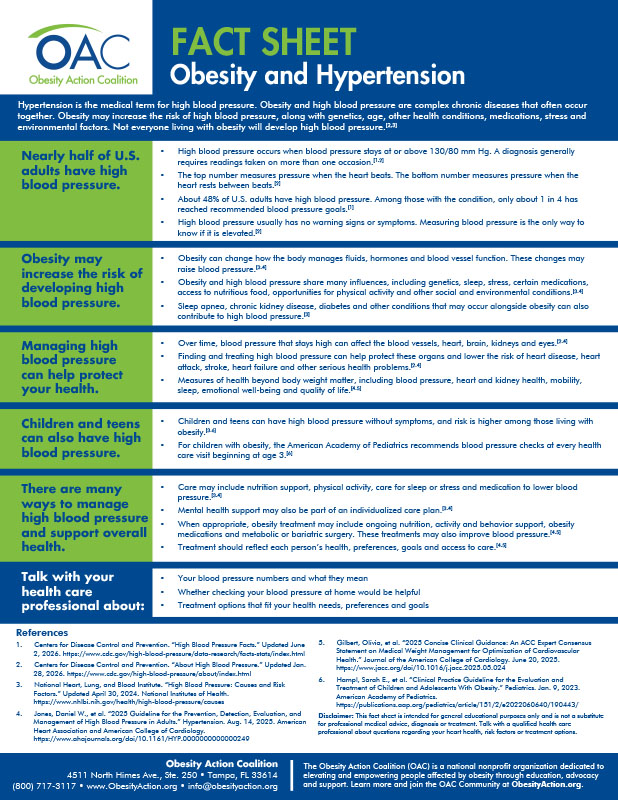
Hypertension is the medical term for high blood pressure. Obesity and high blood pressure are complex chronic diseases that often occur together. Obesity may increase the risk of high blood pressure, along with genetics, age, other health conditions, medications, stress and environmental factors. Not everyone living with obesity will develop high blood pressure.
Nearly half of U.S. adults have high blood pressure.
- High blood pressure occurs when blood pressure stays at or above 130/80 mm Hg. A diagnosis generally requires readings taken on more than one occasion.
- The top number measures pressure when the heart beats. The bottom number measures pressure when the heart rests between beats.
- About 48% of U.S. adults have high blood pressure. Among those with the condition, only about 1 in 4 has reached recommended blood pressure goals.
- High blood pressure usually has no warning signs or symptoms. Measuring blood pressure is the only way to know if it is elevated.
Obesity may increase the risk of developing high blood pressure.
- Obesity can change how the body manages fluids, hormones and blood vessel function. These changes may raise blood pressure.
- Obesity and high blood pressure share many influences, including genetics, sleep, stress, certain medications, access to nutritious food, opportunities for physical activity and other social and environmental conditions.
- Sleep apnea, chronic kidney disease, diabetes and other conditions that may occur alongside obesity can also contribute to high blood pressure.
Managing high blood pressure can help protect your health.
- Over time, blood pressure that stays high can affect the blood vessels, heart, brain, kidneys and eyes.
- Finding and treating high blood pressure can help protect these organs and lower the risk of heart disease, heart attack, stroke, heart failure and other serious health problems.
- Measures of health beyond body weight matter, including blood pressure, heart and kidney health, mobility, sleep, emotional well-being and quality of life.
Children and teens can also have high blood pressure.
- Children and teens can have high blood pressure without symptoms, and risk is higher among those living with obesity.
- For children with obesity, the American Academy of Pediatrics recommends blood pressure checks at every health care visit beginning at age 3.
There are many ways to manage high blood pressure and support overall health.
- Care may include nutrition support, physical activity, care for sleep or stress and medication to lower blood pressure.
- Mental health support may also be part of an individualized care plan.
- When appropriate, obesity treatment may include ongoing nutrition, activity and behavior support, obesity medications and metabolic or bariatric surgery. These treatments may also improve blood pressure.
- Treatment should reflect each person’s health, preferences, goals and access to care.
Talk with your health care professional about:
- Your blood pressure numbers and what they mean
- Whether checking your blood pressure at home would be helpful
- Treatment options that fit your health needs, preferences and goals

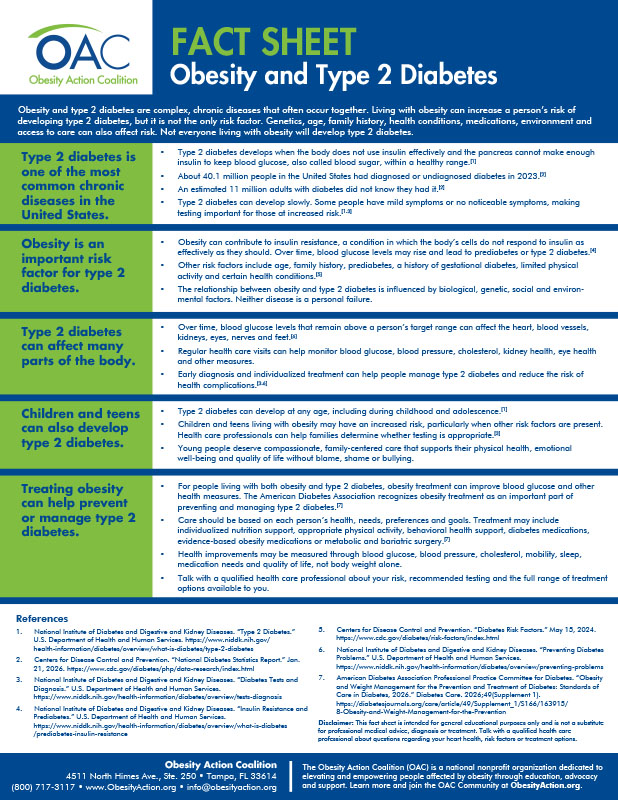
Obesity and type 2 diabetes are complex, chronic diseases that often occur together. Living with obesity can…
Read More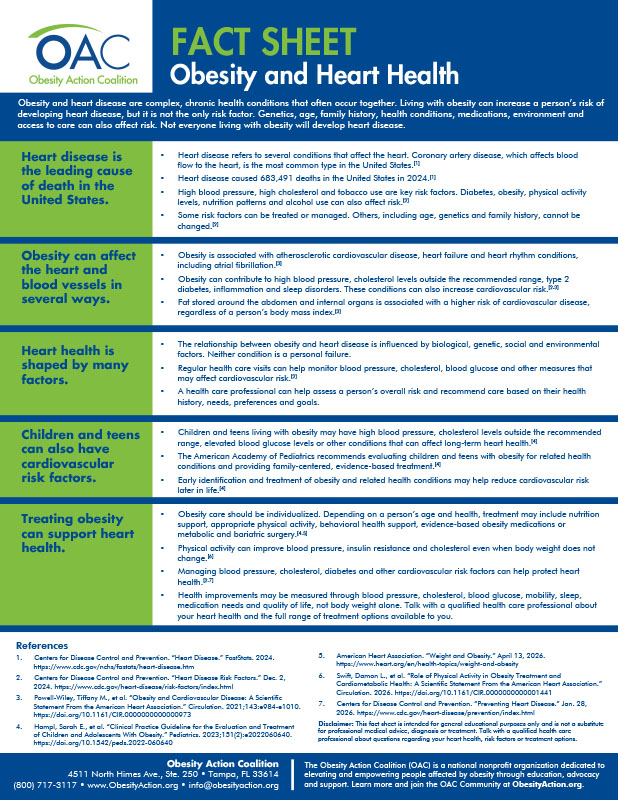
Obesity and heart disease are complex, chronic health conditions that often occur together. Living with obesity can…
Read More
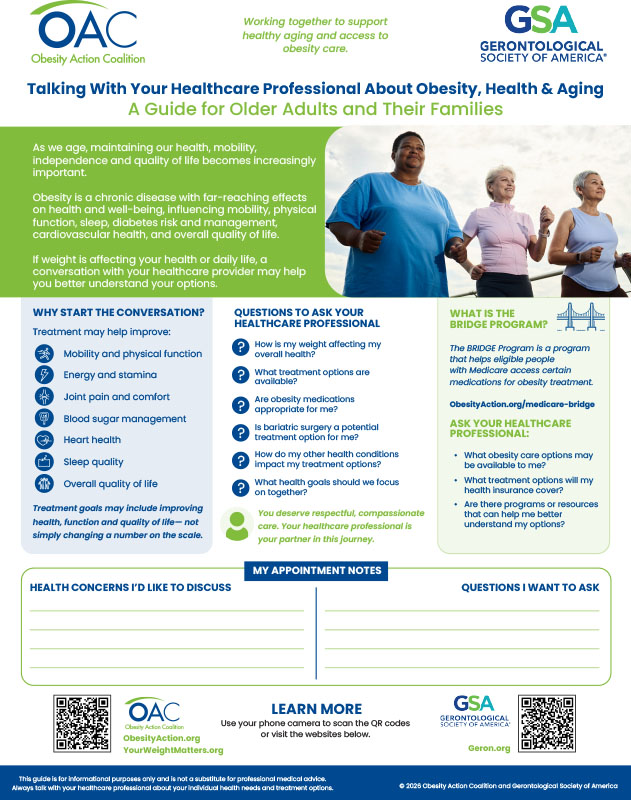
This guide helps older adults and their families understand how obesity can affect health, mobility and quality…
Read Article