 Login



Obesity and Heart Health Fact Sheet
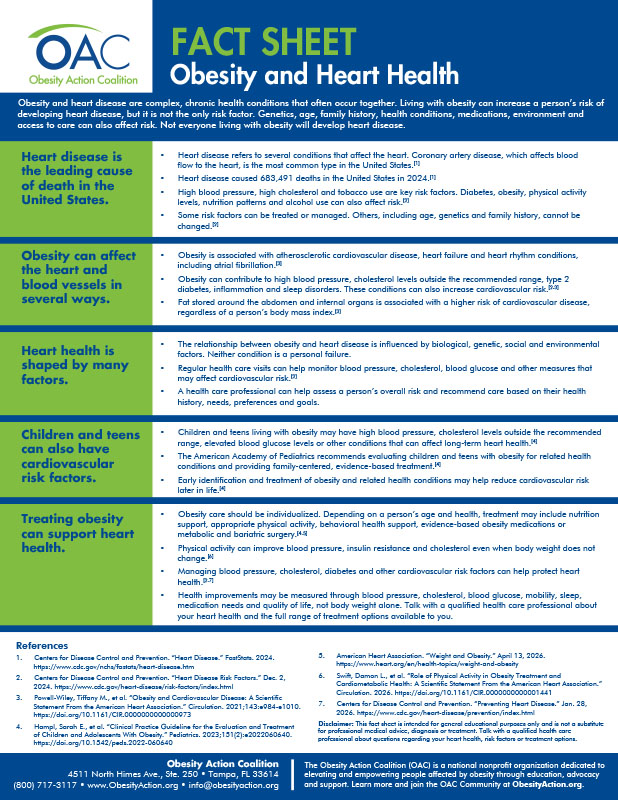
Obesity and heart disease are complex, chronic health conditions that often occur together. Living with obesity can increase a person’s risk of developing heart disease, but it is not the only risk factor. Genetics, age, family history, health conditions, medications, environment and access to care can also affect risk. Not everyone living with obesity will develop heart disease.
Heart disease is the leading cause of death in the United States.
- Heart disease refers to several conditions that affect the heart. Coronary artery disease, which affects blood flow to the heart, is the most common type in the United States.
- Heart disease caused 683,491 deaths in the United States in 2024.
- High blood pressure, high cholesterol and tobacco use are key risk factors. Diabetes, obesity, physical activity levels, nutrition patterns and alcohol use can also affect risk.
- Some risk factors can be treated or managed. Others, including age, genetics and family history, cannot be changed.
Obesity can affect the heart and blood vessels in several ways.
- Obesity is associated with atherosclerotic cardiovascular disease, heart failure and heart rhythm conditions, including atrial fibrillation.
- Obesity can contribute to high blood pressure, cholesterol levels outside the recommended range, type 2 diabetes, inflammation and sleep disorders. These conditions can also increase cardiovascular risk.
- Fat stored around the abdomen and internal organs is associated with a higher risk of cardiovascular disease, regardless of a person’s body mass index.
Heart health is shaped by many factors.
- The relationship between obesity and heart disease is influenced by biological, genetic, social and environmental factors. Neither condition is a personal failure.
- Regular health care visits can help monitor blood pressure, cholesterol, blood glucose and other measures that may affect cardiovascular risk.
- A health care professional can help assess a person’s overall risk and recommend care based on their health history, needs, preferences and goals.
Children and teens can also have cardiovascular risk factors.
- Children and teens living with obesity may have high blood pressure, cholesterol levels outside the recommended range, elevated blood glucose levels or other conditions that can affect long-term heart health.
- The American Academy of Pediatrics recommends evaluating children and teens with obesity for related health conditions and providing family-centered, evidence-based treatment.
- Early identification and treatment of obesity and related health conditions may help reduce cardiovascular risk later in life.
Treating obesity can support heart health.
- Obesity care should be individualized. Depending on a person’s age and health, treatment may include nutrition support, appropriate physical activity, behavioral health support, evidence-based obesity medications or metabolic and bariatric surgery.
- Physical activity can improve blood pressure, insulin resistance and cholesterol even when body weight does not change.
- Managing blood pressure, cholesterol, diabetes and other cardiovascular risk factors can help protect heart health.
- Health improvements may be measured through blood pressure, cholesterol, blood glucose, mobility, sleep, medication needs and quality of life, not body weight alone. Talk with a qualified health care professional about your heart health and the full range of treatment options available to you.

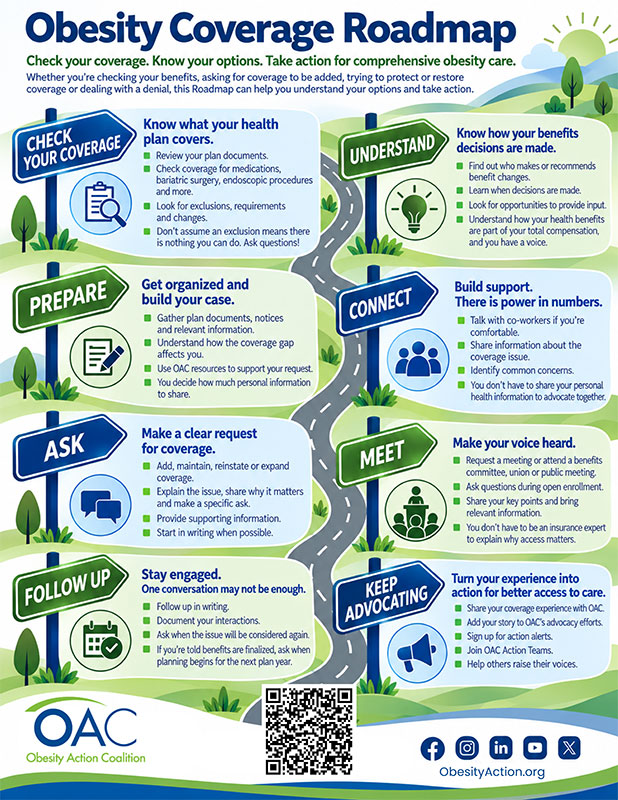
Check your coverage. Know your options. Take action for comprehensive obesity care. Whether you’re checking your benefits,…
View Guide
OAC’s white paper shares findings from a patient survey on prescription companion apps for obesity medications. Explore…
View Guide
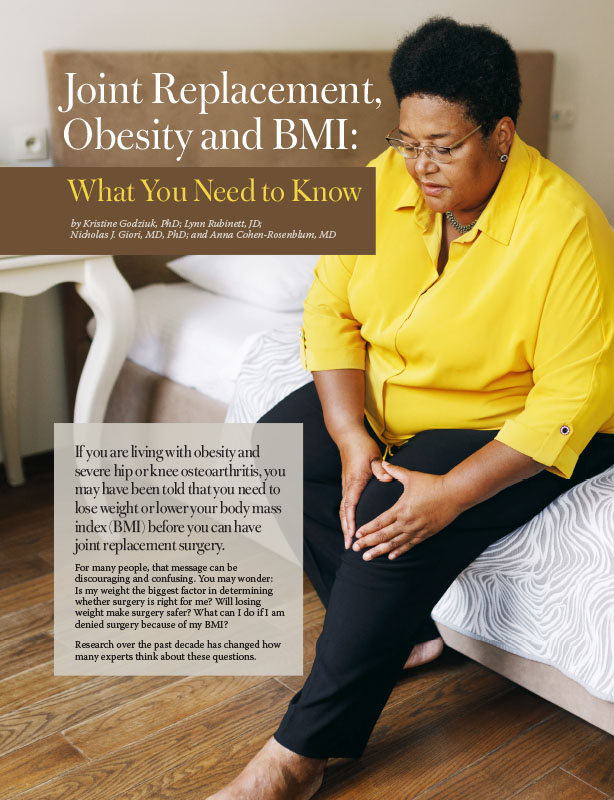
by Kristine Godziuk, PhD; Lynn Rubinett, JD; Nicholas J. Giori, MD, PhD; and Anna Cohen-Rosenblum, MD Fall…
Read Article