 Login


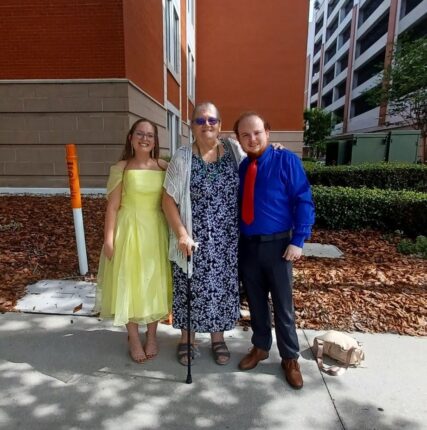 When Cheryl first heard about the Medicare GLP-1 Bridge Program, she immediately began researching. She printed guidance from the Centers for Medicare & Medicaid Services (CMS), scheduled an appointment with her primary care physician and arrived with the information she believed they would need to understand the new program.
Her physician had not heard of the program, so Cheryl explained how it worked. For those navigating the Medicare GLP-1 Bridge Program, OAC offers a downloadable guide to help patients talk with their doctors. After years of trying to access obesity treatment, Cheryl had grown accustomed to doing much of the research herself.
“I have tried for years to get a doctor, any doctor, to at least try to help me navigate the system to get on a GLP-1,” she said. “My insurance won’t cover it.”
Cheryl spoke with her pulmonologist, cardiologist and two primary care physicians. Again and again, she left without a clear next step. She said no one helped her explore other options or determine whether another path to treatment was available. When the Medicare GLP-1 Bridge Program was announced, Cheryl felt hopeful for the first time in years. It offered the possibility of accessing a treatment that has helped many older adults improve their health.
Cheryl lives with obesity, severe obstructive sleep apnea, chronic kidney disease and polyendocrine metabolic ovarian syndrome, formerly known as polycystic ovary syndrome. She believed effective obesity treatment could support several aspects of her health.
Her hope faded as she learned more about the program’s requirements. Because severe obstructive sleep apnea is an FDA-approved indication for GLP-1 and should be covered by her Medicare Advantage, Cheryl was told she would not be eligible for Bridge. However, the medication she needed also was not included in her plan’s formulary, making it even more difficult to identify a path forward.
“I was so hopeful when this program was announced,” Cheryl said. “Then I found out I wasn’t eligible.”
She once again found herself alone trying to understand a complicated web of coverage rules and exceptions while searching for answers. And she’s not alone. Surveys conducted by the Kaiser Family Foundation found that a good portion of insured adults cite prior authorization and formulary navigation as the single most common and critical issue in managing their health. That number increases for patients living with chronic conditions. Nearly a quarter of insured Americans experience delays or miss out on necessary medical care simply due to the amount of non-clinical work required to navigate insurance systems.
“I am a single 71-year-old woman trying to live alone on Social Security,” she explained. “I don’t qualify for any program I am aware of.”
Eventually, Cheryl found another option. With support from her physician, she began taking a compounded GLP-1 through a telehealth provider. Although she is grateful to finally have access to treatment, she remains concerned about what the future may hold as access to compounded medications continues to change.
“I’m just taking it a day at a time,” she said. “I’m eating healthy with no food noise, slowly losing weight and feeling better already.”
Accessing obesity treatment often requires patients themselves find pathways to care, a task that can become a full-time job. The Medicare GLP-1 Bridge Program has created new opportunities for many people to access treatment, but Cheryl’s experience is a reminder that navigating the healthcare system can still be one of the most troublesome barriers patients face. No one should have to become an expert in insurance coverage just to find out whether treatment is possible.
No one should have to become an expert in insurance coverage simply to learn whether treatment is available. Patients deserve clear information, meaningful support and health care professionals who are prepared to help them understand their options. Visit OAC’s Medicare Bridge Resource Hub for patient resources, frequently asked questions and the latest information about the program.